The freedom to put the thermostat somewhere useful
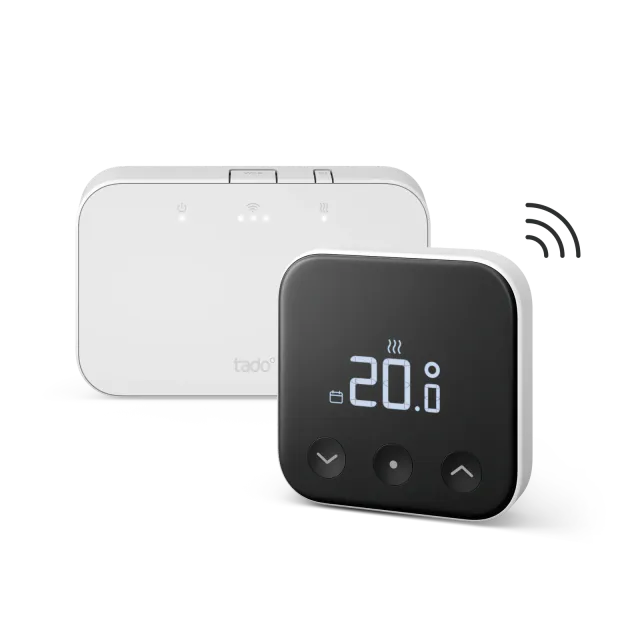
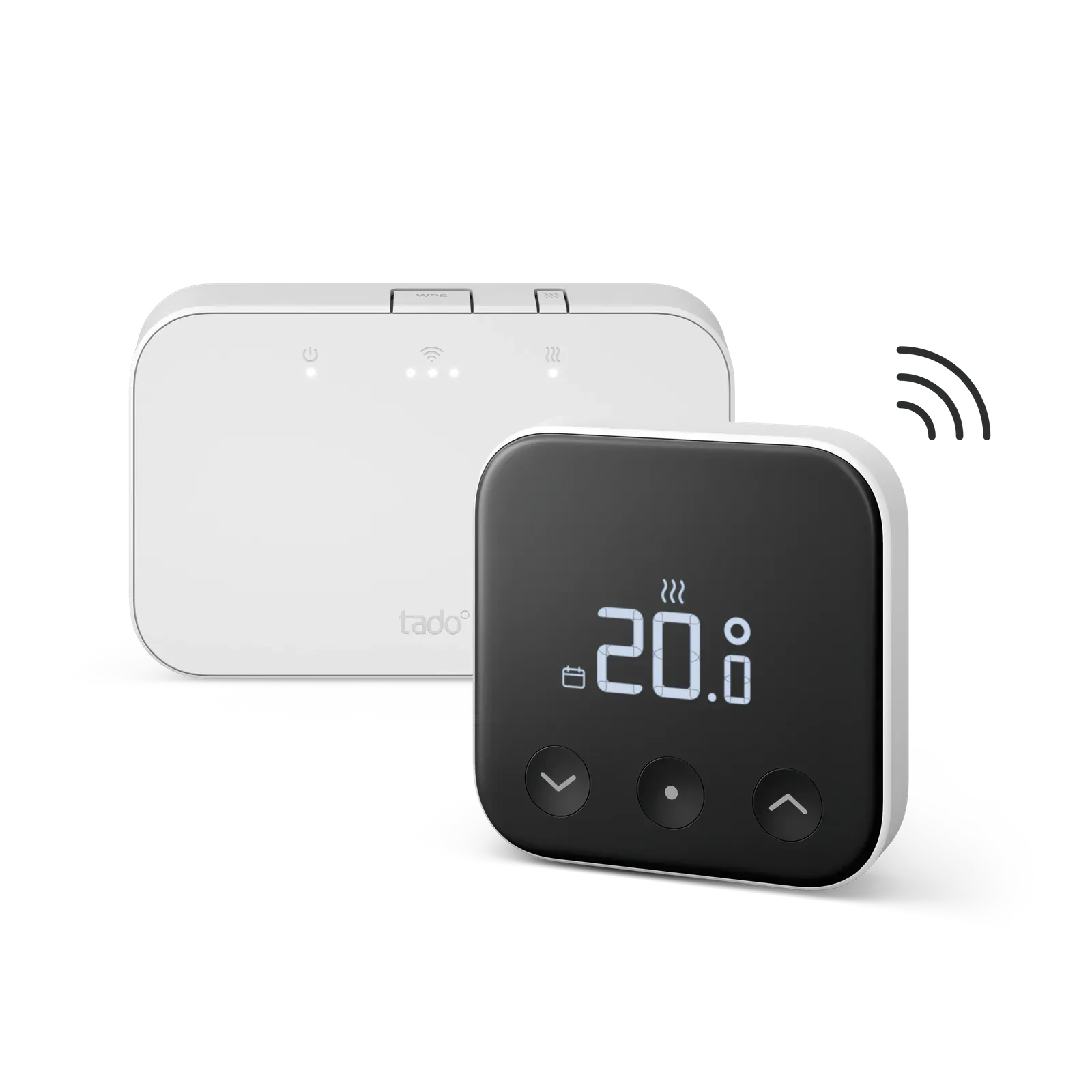
The first-generation Wireless Smart Thermostat X kit is appealing when the best place to measure the room has no thermostat wire. Its receiver connects at the heating equipment, while the battery-powered room controller can be mounted in a useful living space. You get temperature buttons within reach and a reading that does not have to come from the old hallway position.
This is a practical reason to choose it over the wired model. If the existing wired thermostat is already in the right place, the extra receiver may bring little benefit.
A complete starting point, with a plain controller
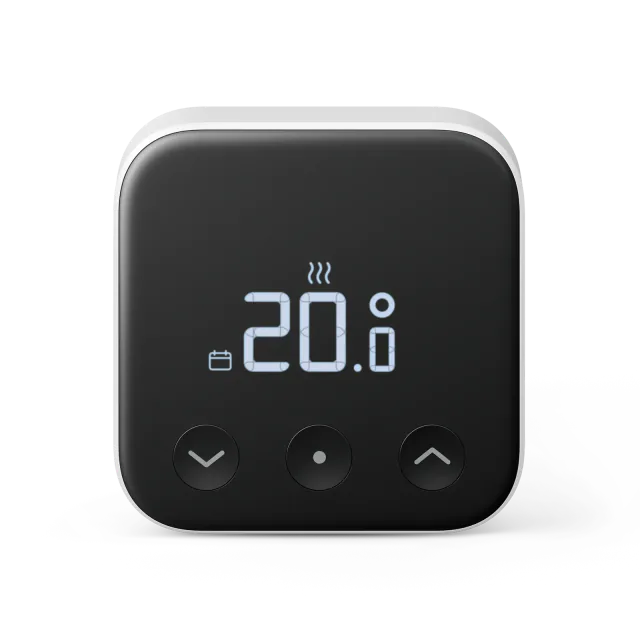
The EU box combines a first-generation SU04 Wireless Temperature Sensor X and TR04 Wireless Receiver X. The sensor has a backlit LCD, physical buttons and three AAA batteries. It is ordinary-looking hardware, but replacement batteries and simple temperature controls are easy to understand.
The receiver also supplies the Thread border-router connection. That saves a separate Bridge X purchase in a typical home. For bigger homes, Tado recommends an additional Bridge X per 100 m², so budget for one in a large or multi-storey house. “Wireless” refers to the link to the room controller: the receiver needs heating-system wiring and mains power, and connects to Wi-Fi at its installed location.
The kit controls the central heating as a whole. Room-by-room control needs Tado radiator valves or heating zones the system already has, and the kit's value there is coordinating those rooms with the heat source.
The new-kit bargain has gone
As of October 2026, Tado's own shop no longer sells this kit new. The old product page now redirects to the second-generation wireless kit, and the first-generation version is listed only as a refurbished kit. That refurbished box contains the receiver, the AAA-powered sensor and its batteries, but it may show signs of use and carries a one-year limited warranty.
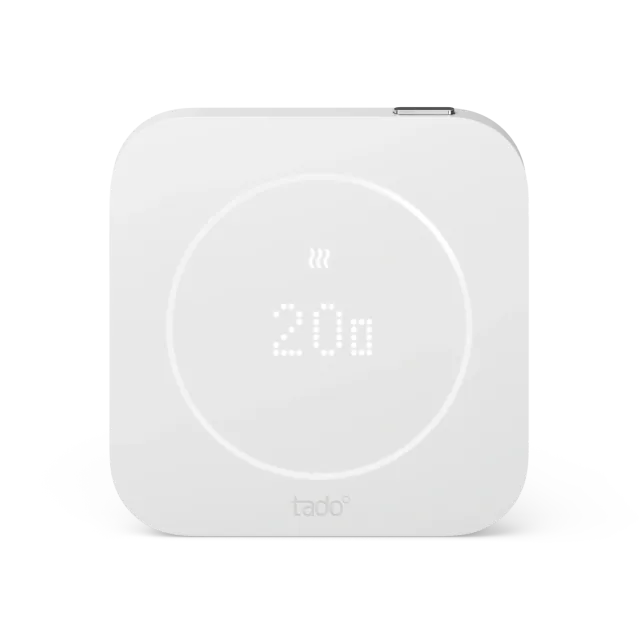
The second-generation EU kit pairs the same Wireless Receiver X with a redesigned room sensor. The newer sensor is thinner, uses a touch-sensitive light ring and an LED display that also shows humidity, and has a rechargeable battery that charges over USB-C, although the cable is not in the box. Some people will prefer the older sensor's buttons and replaceable cells. That is a matter of taste, and both kits use the receiver as their Thread border router.
Price decides the rest. At full price, the second-generation kit costs about €65 more than the refurbished first-generation kit. That saving is worth taking if you accept a used unit with a one-year limited warranty, where the new kit carries two years. Tado's German and Austrian shops currently discount the newer kit, which shrinks the gap to about €15 and makes the new second-generation kit the easier choice. The discount is smaller in Benelux and absent in Italy, so compare both kits in your own country's shop. Buying the first-generation receiver and sensor new as single parts costs more than either kit. If another seller still has new first-generation stock, it is worth buying only when it costs clearly less than the second-generation kit.
The British hot-water kit is a separate product built around the PR04 programmer, and a UK listing is no substitute for the EU TR04 kit shown here, whatever its price. Its additional heating and hot-water controls must match the actual system.
The software is the longer-term decision
Free Tado schedules and remote temperature control provide useful basics. AI Assist adds automatic away adjustments, arrival preheating and other services for about €4 a month or €30 a year in Europe. The new hardware generation does not remove that subscription choice.
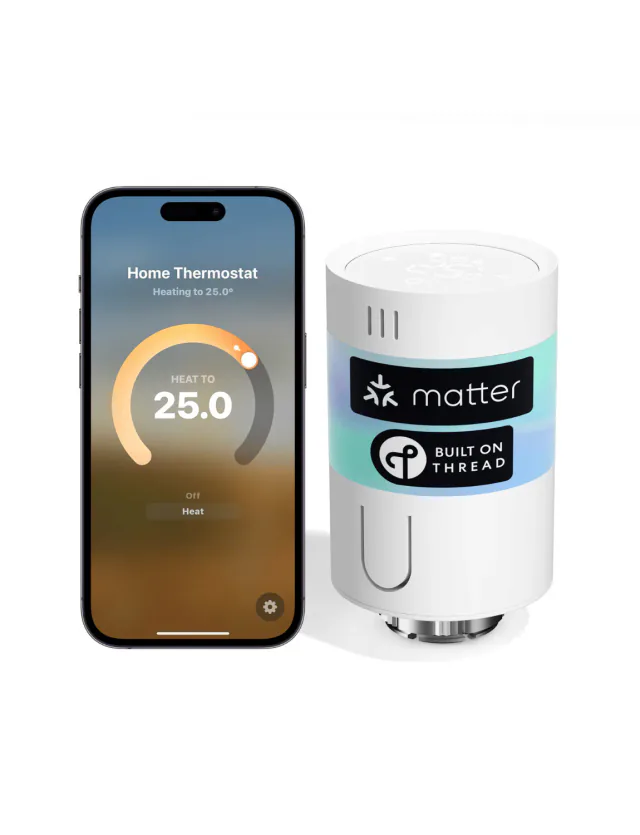
The room controller can share thermostat control with Matter apps. The receiver itself cannot be paired as an accessory, and domestic hot-water control is outside the current Matter integration. The Tado app remains the place for heating management and firmware, so do not expect every function in your preferred home app.
Keep a first-generation kit that works. Its receiver also accepts the newer room sensor, so a later upgrade can be just that sensor. Buy the refurbished kit for a supported relay or OpenTherm installation when the saving over the second-generation kit is large enough to justify a used unit. Replacing a functioning V3+ system deserves more thought: X cannot join the same Tado Home, and changing the whole system for a similar daily routine may be poor value.
Keep reading
Spot a mistake or missing context?
Send a quick note so it can be checked against the source material.