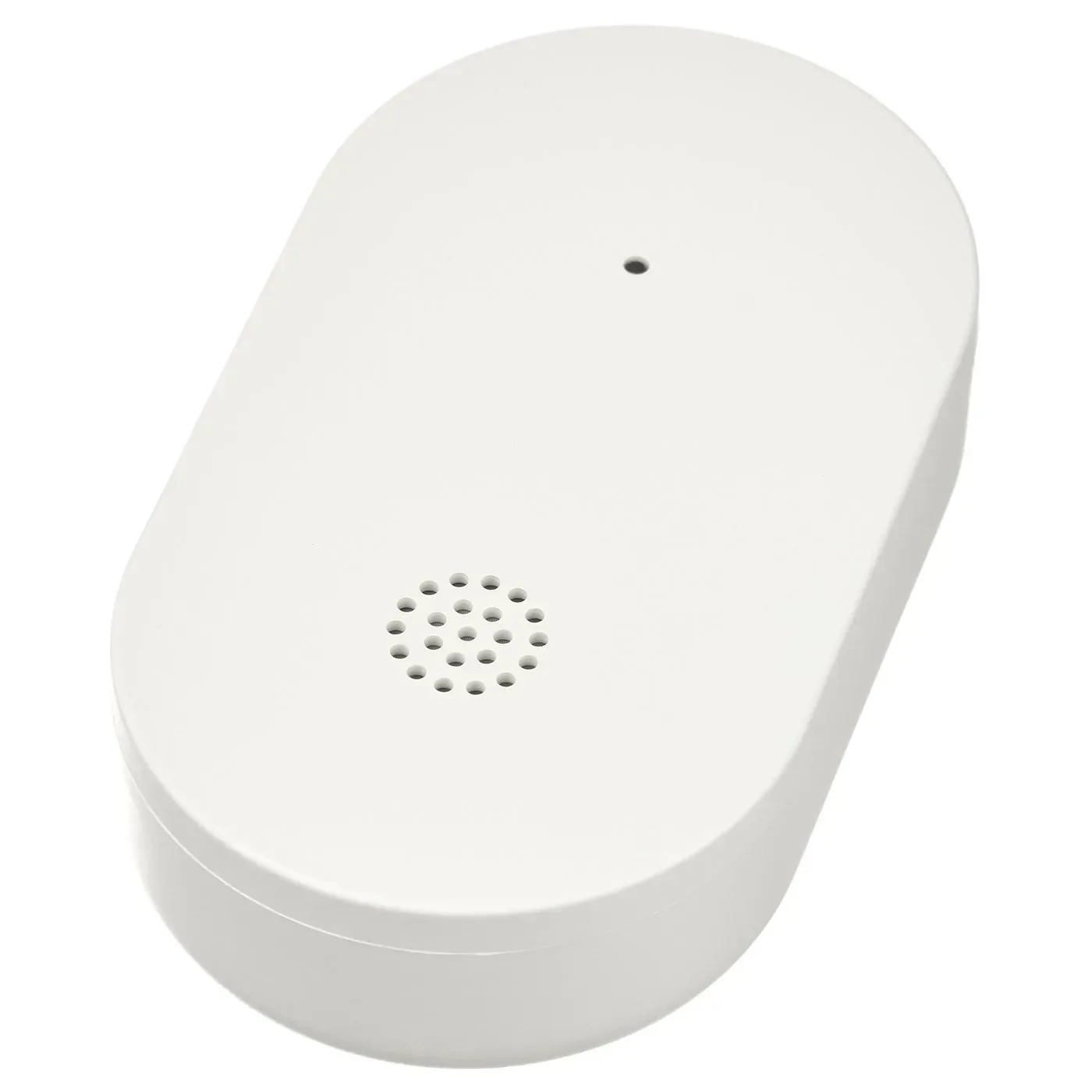
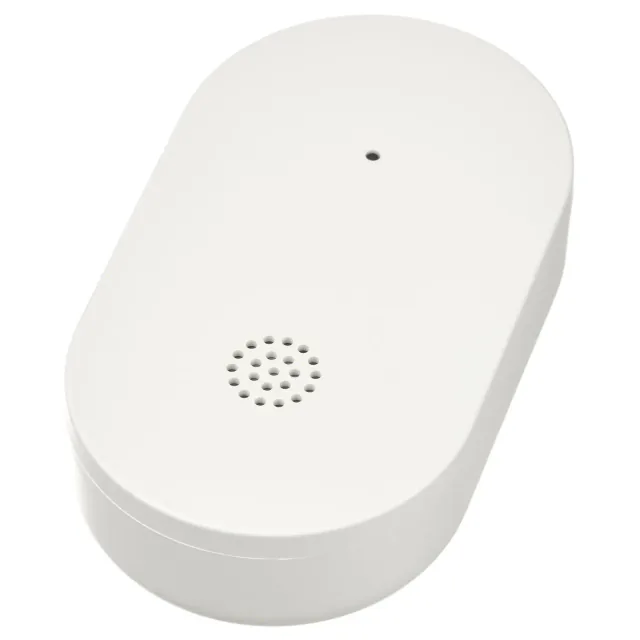
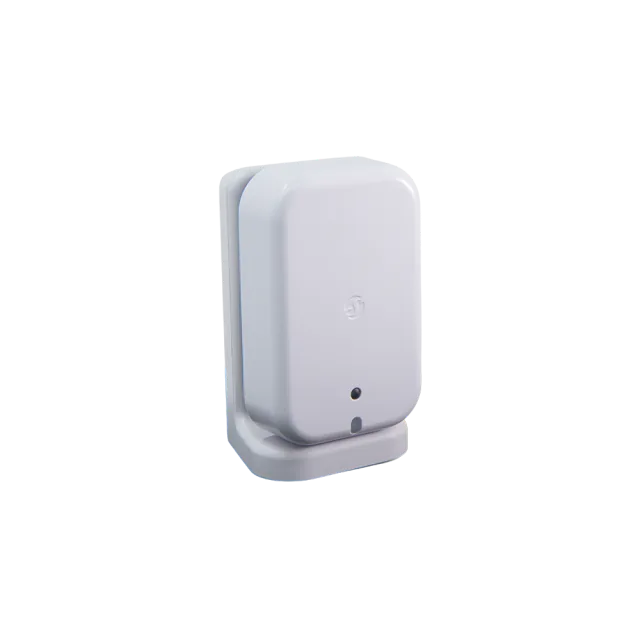
KLIPPBOK is a useful inexpensive local water alarm for a sink cabinet or appliance area. Its value is clearest within earshot; buying it mainly for alerts while away is less convincing unless your chosen smart home has a supported leak-notification path.
Only detects water reaching both underside contacts
No sensing cable for a longer pipe run
Connected alerts are less clearly supported in Apple, Google and Alexa homes
A sensible alarm for a specific spot
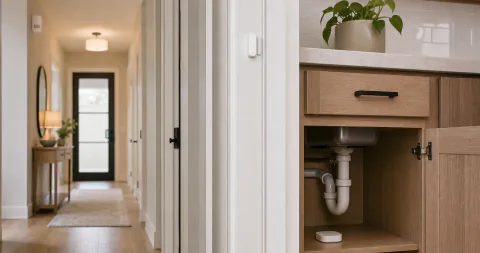
KLIPPBOK's strongest feature is that its audible warning works without a smart home system. At about $12 in the US, €7 in Germany or £7 in the UK, plus two AAA batteries, it is a modest purchase for a sink cabinet or a smooth floor beside an appliance. You do not need a controller merely to hear it when the contacts become wet.
That makes it appealing for covering several likely leak points without starting with a hub budget. It is still a local warning: it cannot shut off the water supply, and its usefulness while you are away depends on a separate connected alert.
IKEA sells the same sensor under three article numbers: 506.177.69 in the US and Canada, 906.246.40 in the UK and several EU countries including Ireland, Italy and Poland, and 306.041.93 in Germany, France, the Netherlands, Spain and the Nordic countries. Buy whichever one your local IKEA lists.
Placement matters more than the Matter logo
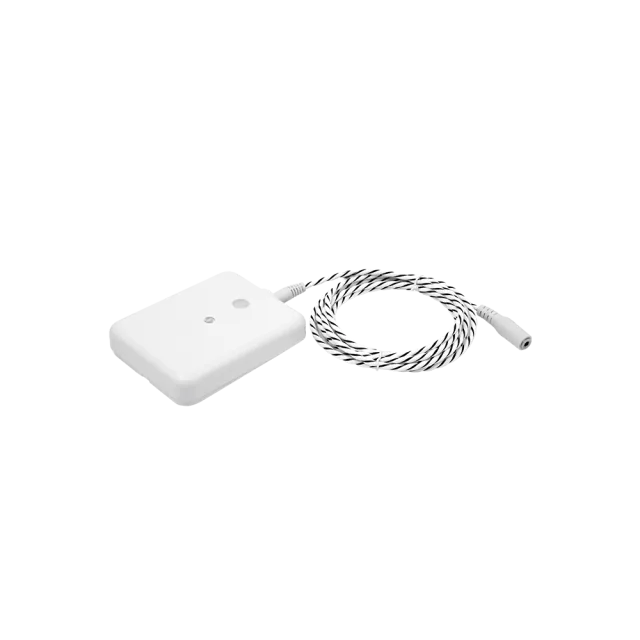
Both underside contacts must reach the water. The small point of detection is a limitation if you want to cover a long pipe run, an uneven floor or several possible routes a leak might take. A sensor with a sensing cable is the better design for that broader area. In Europe, Shelly Flood Gen4 answers that with a 2 m sensing cable, for roughly five times KLIPPBOK's German price. When the risky spots are separate rather than spread along one run, three KLIPPBOK sensors still cost less in Germany than one Flood Gen4, even after buying their six AAA batteries.
The casing itself is not waterproof, which is an awkward but important distinction for a water alarm. It belongs on a smooth indoor surface where a shallow puddle can reach the contacts, rather than submerged in water. A dry test of the sound would not establish that water can reach it in its chosen position.
Less convincing for an away-from-home purchase
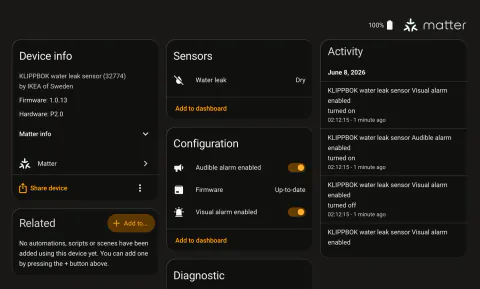
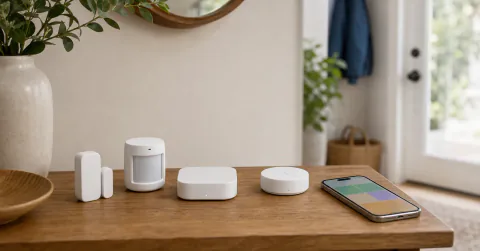
Home Assistant and SmartThings have supported Matter leak paths that can be used for a configured notification. The available Apple, Google and Alexa support is less clear for the alert itself. That is a consequential limitation when a message on your phone is the entire reason to buy.
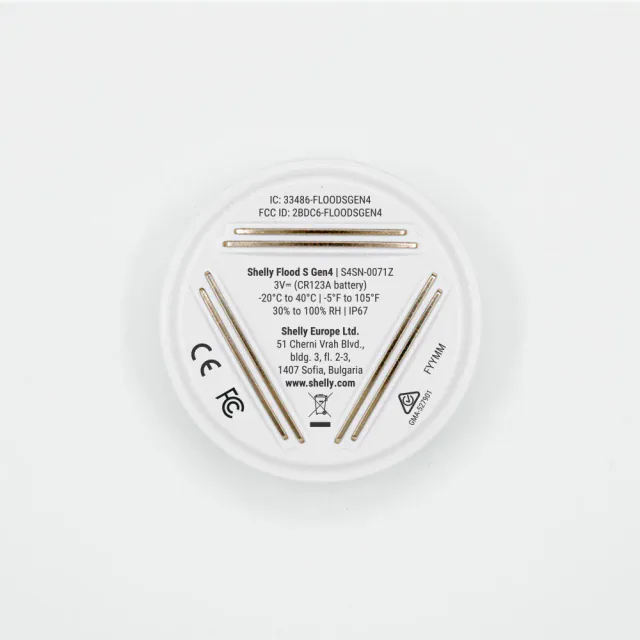
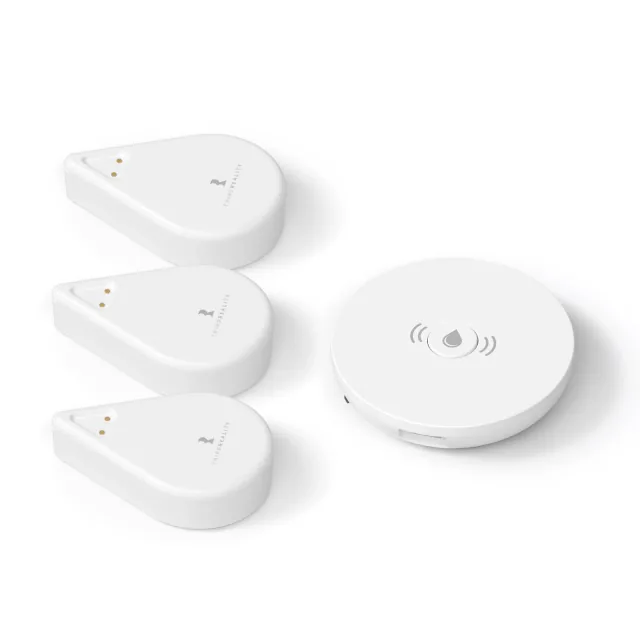
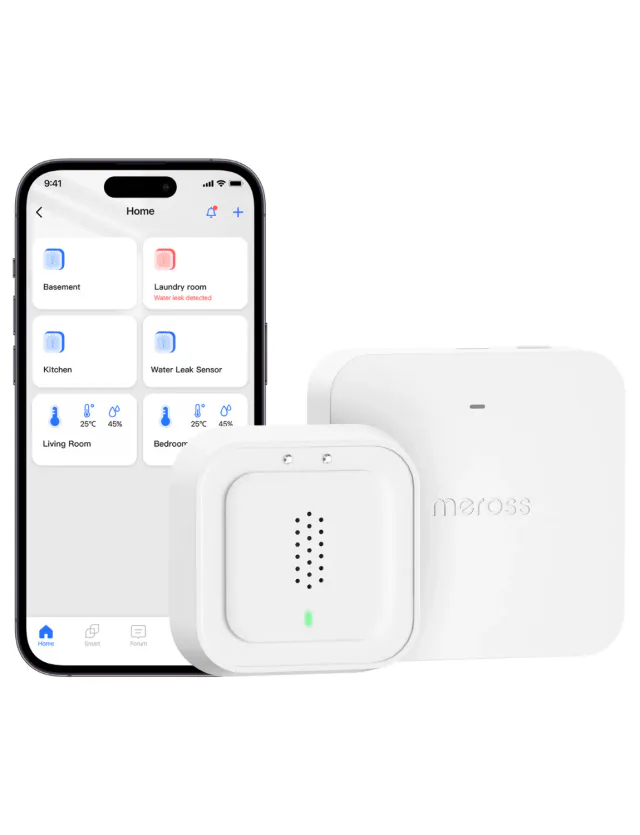
The alternatives change where the alarm sounds and what network it needs; none of them guarantees a better phone alert on every platform. Shelly Flood S Gen4 is the closest European substitute: a small sensor with its own buzzer, a sealed IP67 body and an included battery. It joins Wi-Fi directly, so it needs no Thread border router, and costs nearly three times KLIPPBOK's German price. In North America, ThirdReality KM1 puts three detectors on one central alarm you can place where someone will hear it, and ThirdReality documents its setup in Apple Home and Alexa. Meross MS405HMA, sold with US, EU or UK adapters, sounds at both the sensor and its hub, but ties the setup to a Meross hub and costs about $40 for one sensor with that hub.
For a cabinet within earshot, KLIPPBOK is an inexpensive, focused choice. For a seldom-entered laundry room or a property you leave unattended, choose the notification route first and test the resulting alert. A cheap sensor that only sounds where nobody can hear it misses that job.
KLIPPBOK is a useful inexpensive local water alarm for a sink cabinet or appliance area.
Shelly Flood S Gen4 is a sensible €18.90 buy for one sink cabinet, appliance tray or other spot where water is likely to collect.
Shelly Flood Gen4 earns its €34.90 price when a leak could spread along an appliance or a row of cabinets.
KM1 is useful when you want three leak locations feeding one alarm that can sit somewhere audible.
MS405HMA is worth buying for one remote leak-risk spot because the sensor and hub each sound an alarm, and the kit includes batteries plus a regional power adapter.