The useful part is the radio you can place properly
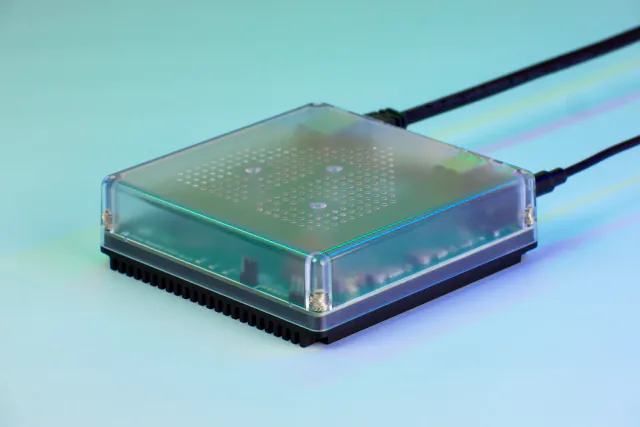
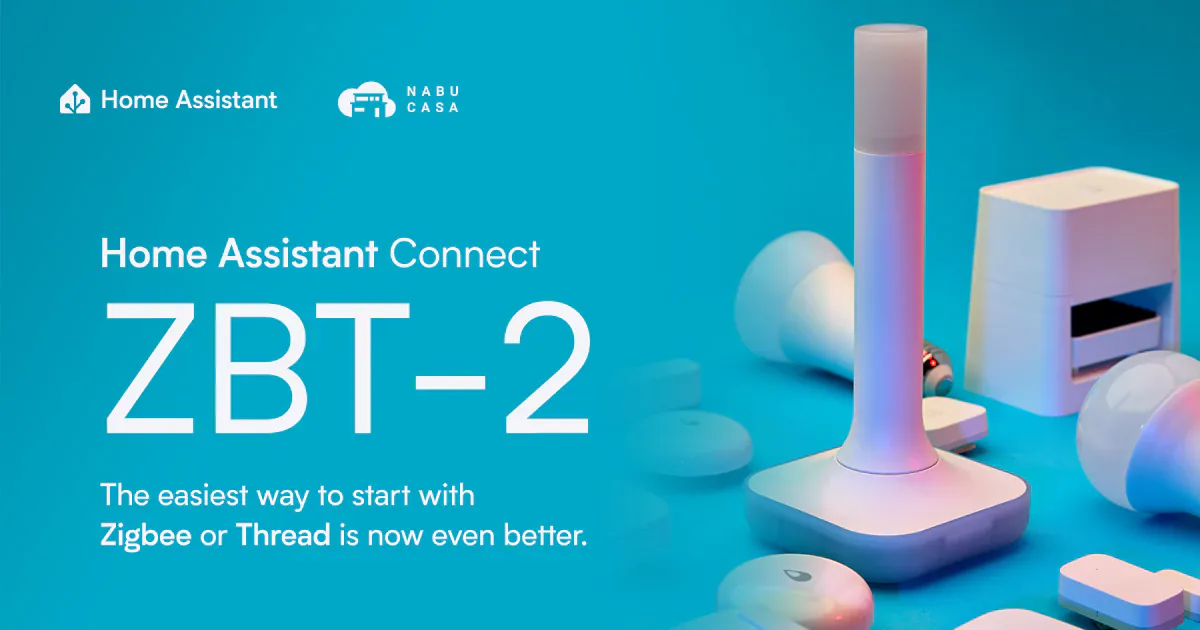
Connect ZBT-2 gives an existing Home Assistant system a dedicated Zigbee or Thread radio. Its freestanding antenna and base are more practical to position than a tiny stick tucked behind a computer. The included 1.5 m USB cable helps put it on a nearby shelf, away from the host's crowded ports.
That is the clearest reason to consider it: you need a new radio, or the present one's location and hardware are limiting the installation. The assembled device stands about 18 cm tall, so it also occupies more visible space than the old ZBT-1. A shelf-friendly design is useful only if there is a suitable shelf within reach.
ZBT-2 connects by USB-C for power and data. There is no Ethernet socket or built-in PoE. If your server lives in a distant rack and the radio needs to be in another room, this design does not solve that cable run.
The price buys an adapter, not a complete Home Assistant system
The manufacturer's reference price is $49 before US tax or €45 including applicable European tax. You still need a running Home Assistant host. For a new installation, the host, storage and any other required radios belong in the total budget.
For an existing owner, the integration is more attractive. Official firmware and migration tools support moving an existing network, and the hardware works with ZHA, Zigbee2MQTT or OpenThread in the appropriate mode. Its open firmware and accessible case also suit people who want control over their equipment.
US buyers have the easier time. In October 2026, CloudFree, Ameridroid and Apollo Automation, all on the manufacturer's seller list, had it in stock at about the $49 reference price, though Amazon's US listing was unavailable. European price and stock vary much more by shop. Dinamotech in Italy was taking orders at the €45 reference and HAshop.nl in the Netherlands had it for about €50, each plus shipping. In Germany, smartdomo had stock at about €65 and mediarath was taking preorders at about €60. BerryBase and several other listed shops were sold out or backordered. UK shops list it at about £38, but Everything Smart was taking backorders and The Pi Hut and Pimoroni were sold out. In Europe, compare the listed shops before paying well over the €45 reference.
Keep the old radio for the other network
ZBT-2 runs either Zigbee or Thread, never both at once. A home with both kinds of accessories needs separate radios or an existing suitable border router for Thread.
That makes a working ZBT-1 worth keeping. Its production ended when ZBT-2 launched in November 2025, but Home Assistant said software support would continue. You could retain it on the network it already serves and add ZBT-2 for the missing protocol. Buying two new adapters simply because the old model was discontinued wastes that useful hardware.
The newer MG24 chip and a serial link four times faster than ZBT-1's are clear hardware upgrades, and Home Assistant says the faster link improves device responsiveness. On their own, they are a weak reason to replace a ZBT-1 network that already works well.
Thread control still belongs to the host
In Thread mode, the radio and Home Assistant's OpenThread software provide the network connection; the Matter server handles device control. A Home Assistant OS installation is the straightforward complete platform for those pieces. The adapter alone cannot control a house when the host is off.
Home Assistant can also use compatible existing third-party Thread border routers. Check whether that infrastructure already covers the job before buying another radio. Equally, choosing Zigbee mode does not automatically turn your Zigbee devices into Matter accessories for every other app.
Buy ZBT-2 for a specific missing network, better radio placement near the host, or an upgrade that your current installation actually needs. Keep useful older equipment and choose a network-connected radio design when distance from the host is the real problem.
Keep reading
In the news
Spot a mistake or missing context?
Send a quick note so it can be checked against the source material.