The compact Sonos bar now has a direct rival
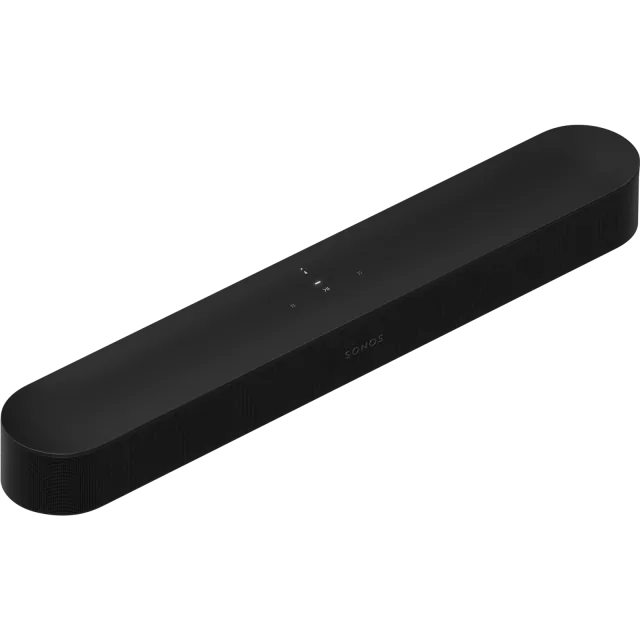
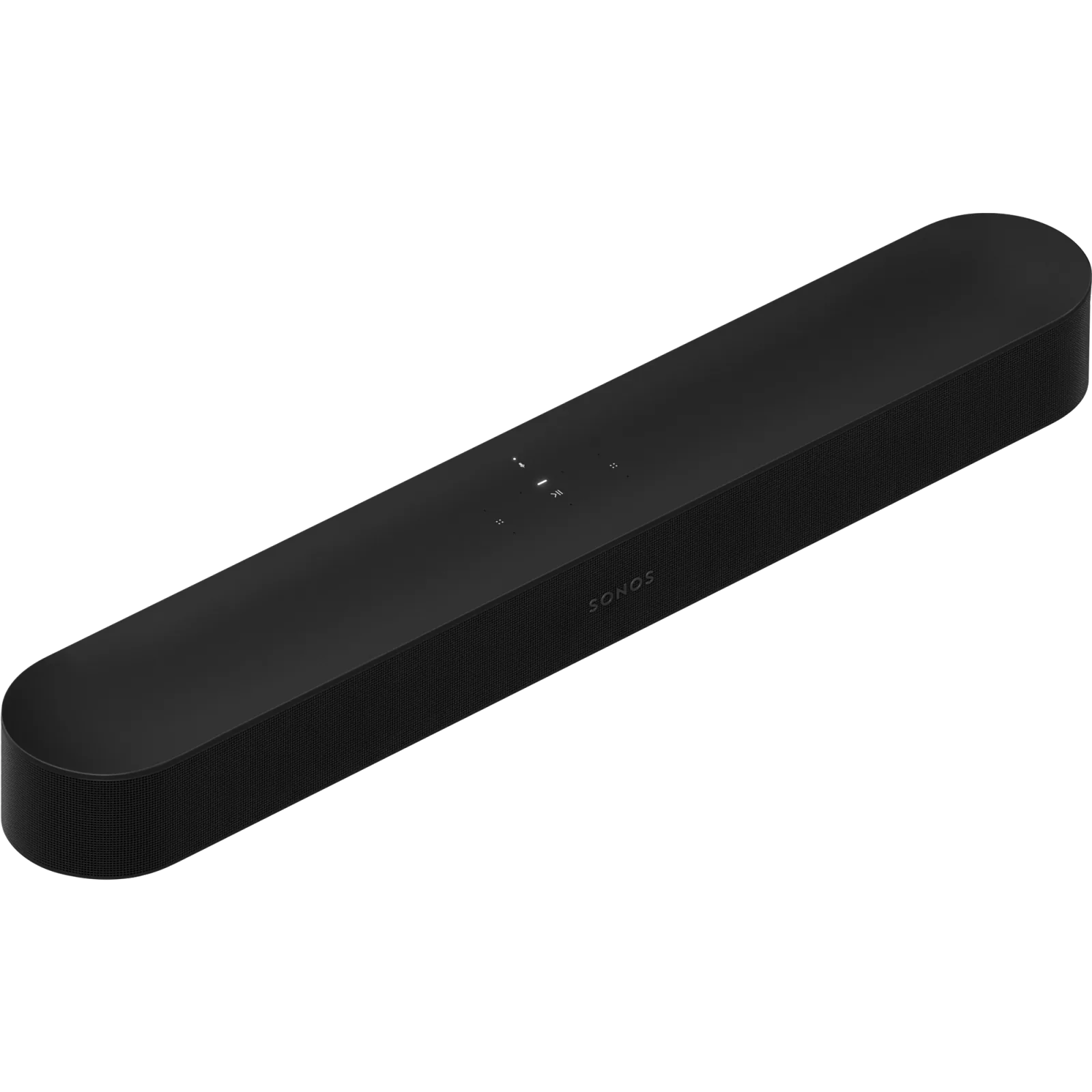
Beam Gen 2's best feature is how much TV functionality it fits into a 65 cm-wide bar. HDMI audio and remote control, dialogue emphasis, Night Sound and Sonos music playback can make it a useful everyday upgrade without filling the furniture beneath the screen. Compactness is a reason to choose it, not a compromise everyone should eventually outgrow.
Sonos still sells Gen 2 for about $500 in the US. Beam Ultra has been on general sale since late September for about $200 more, so the two can now be bought side by side. At full price, Gen 2 is no longer the obvious middle choice simply because Arc Ultra costs much more; its case rests on its narrower body and the things Beam Ultra leaves out.
Ordinary television is its most persuasive job
Speech Enhancement boosts voice frequencies, while Night Sound reduces the difference between loud effects and quieter material. Those are useful options for following a show in the evening without constantly changing the volume. They matter more to that use than a dramatic Atmos demonstration.
These controls do not prove that every difficult soundtrack will become clear. Beam Gen 2 has a single Speech Enhancement toggle, while Beam Ultra and Arc Ultra offer four selectable dialogue levels. Matterhome has not listened to Gen 2 or Beam Ultra, so this recommendation rests on features, size and cost.
Its Dolby Atmos height effect is virtual: processing creates phantom height channels without upward-firing speakers. That can be an attractive extra for a small setup, but it is a poor reason to buy Gen 2 if you want sound from physical overhead drivers.
Trueplay tuning also needs a supported iOS device. Android users can operate the soundbar, but do not get that same room-tuning route on this generation. This is a meaningful omission next to Beam Ultra, whose quick tuning works from Android as well as iOS.
Small enough to keep the furniture you like
Beam measures 651 × 68 × 100 mm. It is nearly 53 cm narrower than Arc Ultra and about 10 cm narrower than Beam Ultra, leaving more room on a compact media unit. Check the television's feet and lower screen edge as well as the cabinet width; a small soundbar can still occupy the space the TV stand needs.
HDMI ARC or eARC provides the main TV connection. The included optical adapter is useful for an older television, although optical removes the Atmos option. There is no separate HDMI source input, so a console or streaming player still depends on the television's connections and audio handling. eARC is required for lossless Dolby TrueHD Atmos and multichannel PCM.
Music streaming through Sonos and AirPlay 2 gives the bar another job when the screen is off. It is a good reason to pay for Sonos if other rooms already use the system. It is a weaker reason when you only want TV audio and have no interest in another app or a connected music system.
What Beam Ultra adds, and what Gen 2 keeps
Beam Ultra's roughly $200 premium buys two upward-firing drivers, Bluetooth audio, four dialogue-enhancement levels and Trueplay quick tuning from Android as well as iOS. The height drivers address Gen 2's main compromise directly, for much less than the jump to Arc Ultra.
Gen 2 keeps three practical advantages besides width. It has Alexa built in, while Beam Ultra currently offers only Sonos Voice Control; Sonos is working with Amazon to bring Alexa+ to Beam Ultra but has not given a date. Gen 2 can run Google Assistant instead of Alexa, but Google's Assistant app on Android no longer supports Sonos voice setup, so adding it needs an iPhone or iPad. An Android-only household should plan on Alexa. Voice-service availability varies by country. Gen 2 also includes the optical adapter and has an Ethernet port. Beam Ultra needs a separately sold adapter, about $25, for an optical-only TV, and the roughly $40 Combo Adapter for a wired network connection.
Pay the extra for Beam Ultra when those additions matter and the TV has HDMI ARC or eARC. Buy Gen 2 when the narrower body is necessary, when you want Alexa in the bar now, or when the TV is optical-only or the bar must be wired to the router. Optical gives up the Atmos format Beam Ultra's height drivers are built for, so on an optical-only TV Beam Ultra costs more for the adapter and loses its main advantage. A meaningful discount strengthens Gen 2's case; paying full price because it used to be Sonos's default midrange bar does not.
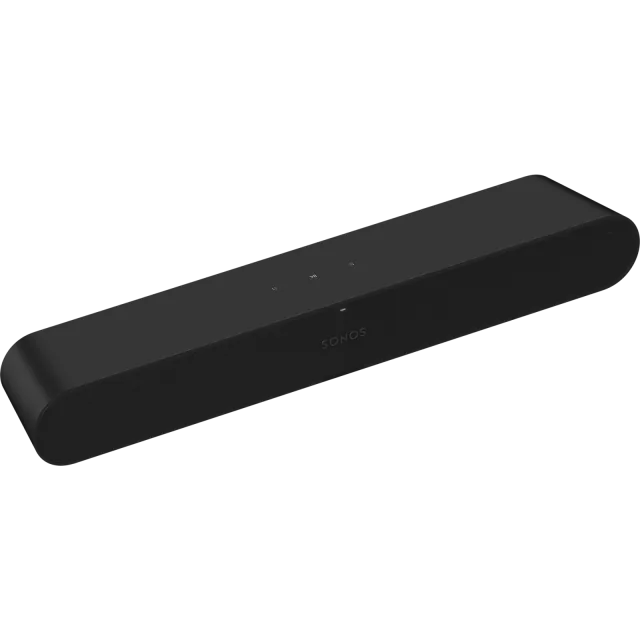
Ray saves about $280 if optical audio and a compatible infrared remote are sufficient. Arc Ultra is the much larger, more expensive option; a main living room does not automatically require it. Choose by the actual listening problem and available space.
Keep an existing Beam if its dialogue, volume and music use already work for you. Beam Ultra changes the buying comparison for new customers, but it does not make a good installation stop being useful.
Keep reading
Spot a mistake or missing context?
Send a quick note so it can be checked against the source material.