Buy the donut because you want the object
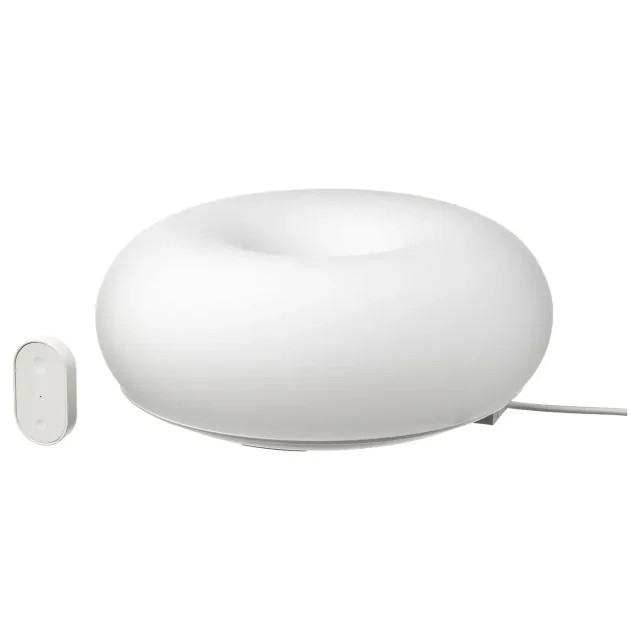
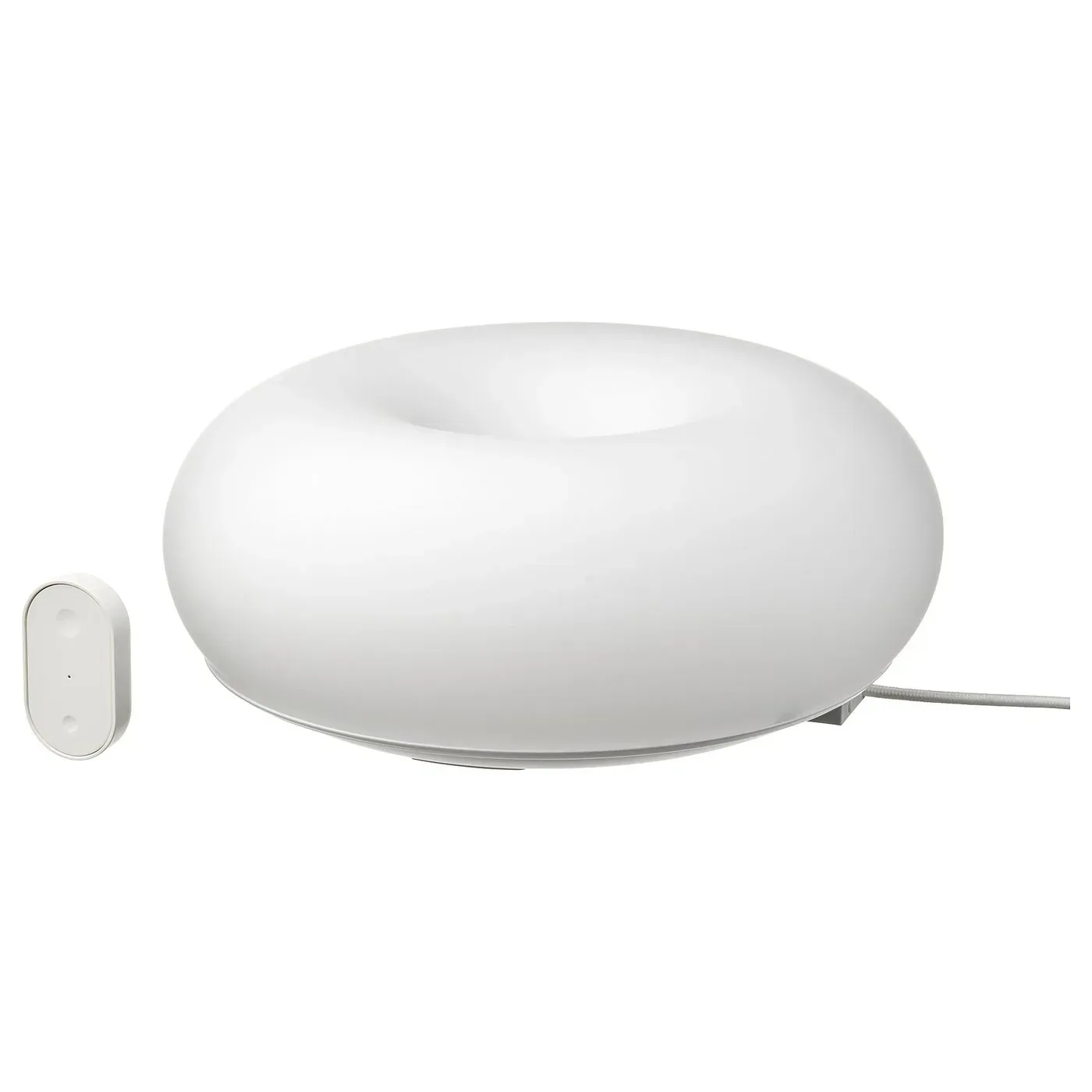
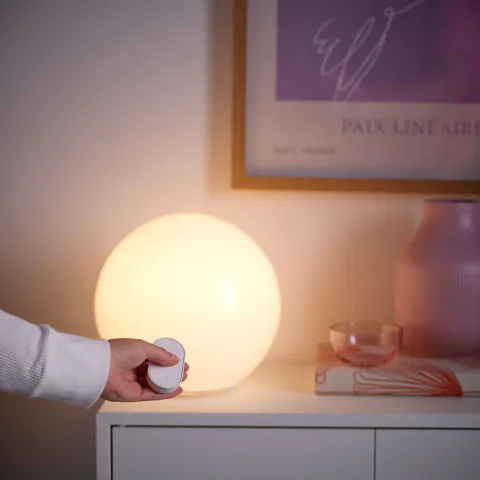
The smart white-glass VARMBLIXT donut is the more appealing of these two lamps as a design accent. Its rounded form and colored light can justify a place on a side table or wall even when a cheaper bulb could add the same basic smart controls. That is the reason to buy it: you want the illuminated object in the room.
Its 180 lumens are modest. Treat it as an accent beside other lighting, and do not expect it to replace a reading lamp or light a whole room. The included remote cycles through twelve curated colors, giving it a complete role without a hub. We have not tested the colors or transitions in person.
Wall placement also leaves a practical compromise. The 30 cm (12-inch) lamp still uses a plug-in supply and a 1.9 m (6 ft 3 in) cord, so a floating ring on a wall comes with a cable route to plan. A nearby outlet makes the design easier to live with than a long visible run across the room.
Where you buy it changes the value
IKEA sells the same smart donut and pendant in North America, the UK, Ireland and every continental European store we checked, and the US price is the outlier. The donut costs about $100 in the US, against about CAD 90 in Canada, £55 in the UK and €50 to €60 in the euro countries we checked. At current exchange rates, that is roughly $25 to $35 more than buyers pay in Canada, the UK or Germany, before US sales tax is added. The pendant gap is wider, at roughly $80 to $90.
That changes how easy the donut is to recommend. At Canadian, UK and European prices it is a reasonable design purchase for a shelf or bedside wall. At the US price, a buyer is paying a clear premium for the shape, and LIFX Luna becomes a serious alternative.
The pendant is a different purchase
The pendant offers adjustable white light, with 800 lumens total across its suspended elements, and costs two to three times as much as the donut wherever it is sold. It does not add the donut's colored effects, and its sections do not have documented independent app control. Buy it for the hanging form and adjustable white tone, and do not assume the higher price means more smart features.
It is also a wired ceiling fixture, so replacing a light can add installation cost. That makes it a less casual experiment than the plug-in donut. Its 46 cm (18-inch) diameter and suspended arrangement need to suit the space before the Matter connection becomes relevant.
The long-term compromise is repairability
Neither lamp accepts a normal replacement bulb. The donut's LED replacement requires qualified service, with nonreplaceable controlgear and external cord; the pendant's LEDs are described as non-changeable. That is a real disadvantage for a decorative object you might want to keep for years.
Both smart lamps include a pre-paired BILRESA remote. Phone control adds the need for Matter and Thread hardware, and the remote must be configured separately after joining a smart system. Make sure you buy the smart white-glass version, because the original VARMBLIXT name also appears on older lamps.
Other ways to get the same light
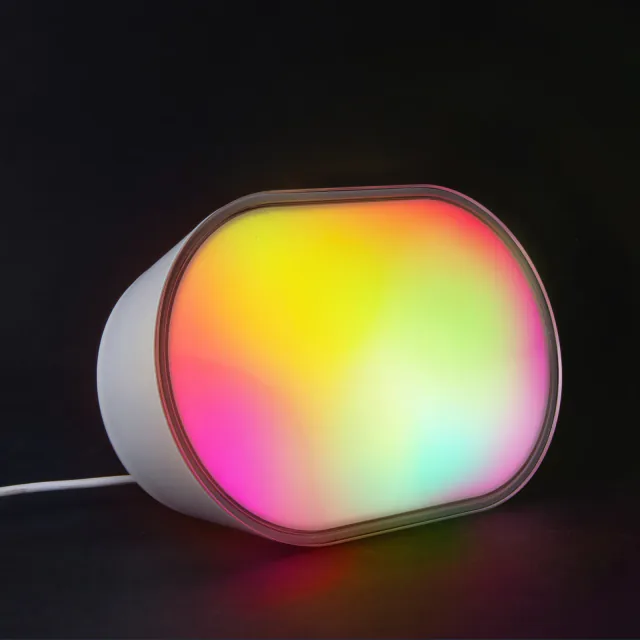
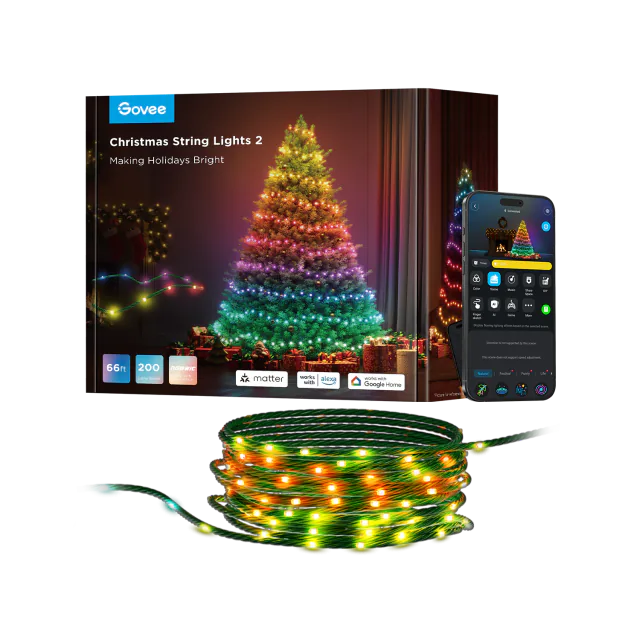
If the shape is not what attracts you, KAJPLATS in an existing lamp is cheaper and leaves you with a replaceable bulb. In North America, LIFX Luna is the closest complete-lamp alternative. It also stands on a table or hangs on a wall with colored light, costs about $20 less than the US donut and is rated at 1000 lumens against the donut's 180. It has buttons on the lamp in place of a remote and uses Matter over Wi-Fi, so it needs no Thread border router. In the US, buy the donut only if the shape matters more to you than Luna's brightness and buttons.
Keep reading
In the news
Spot a mistake or missing context?
Send a quick note so it can be checked against the source material.