Keep the lamp, change what it can do
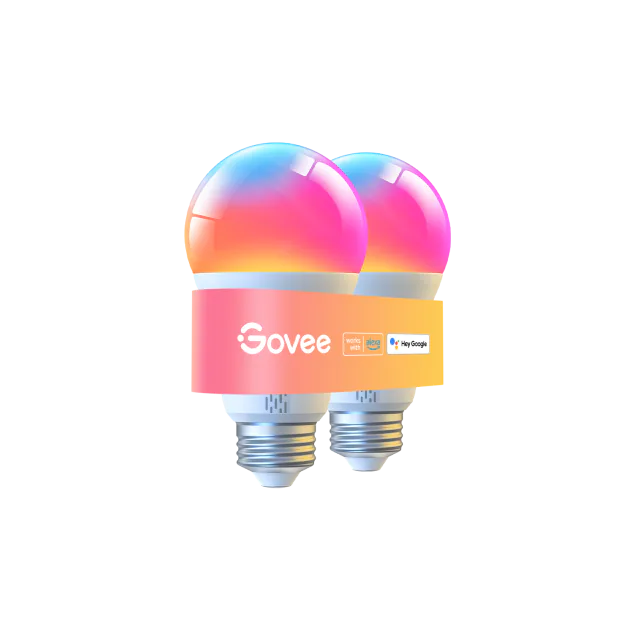
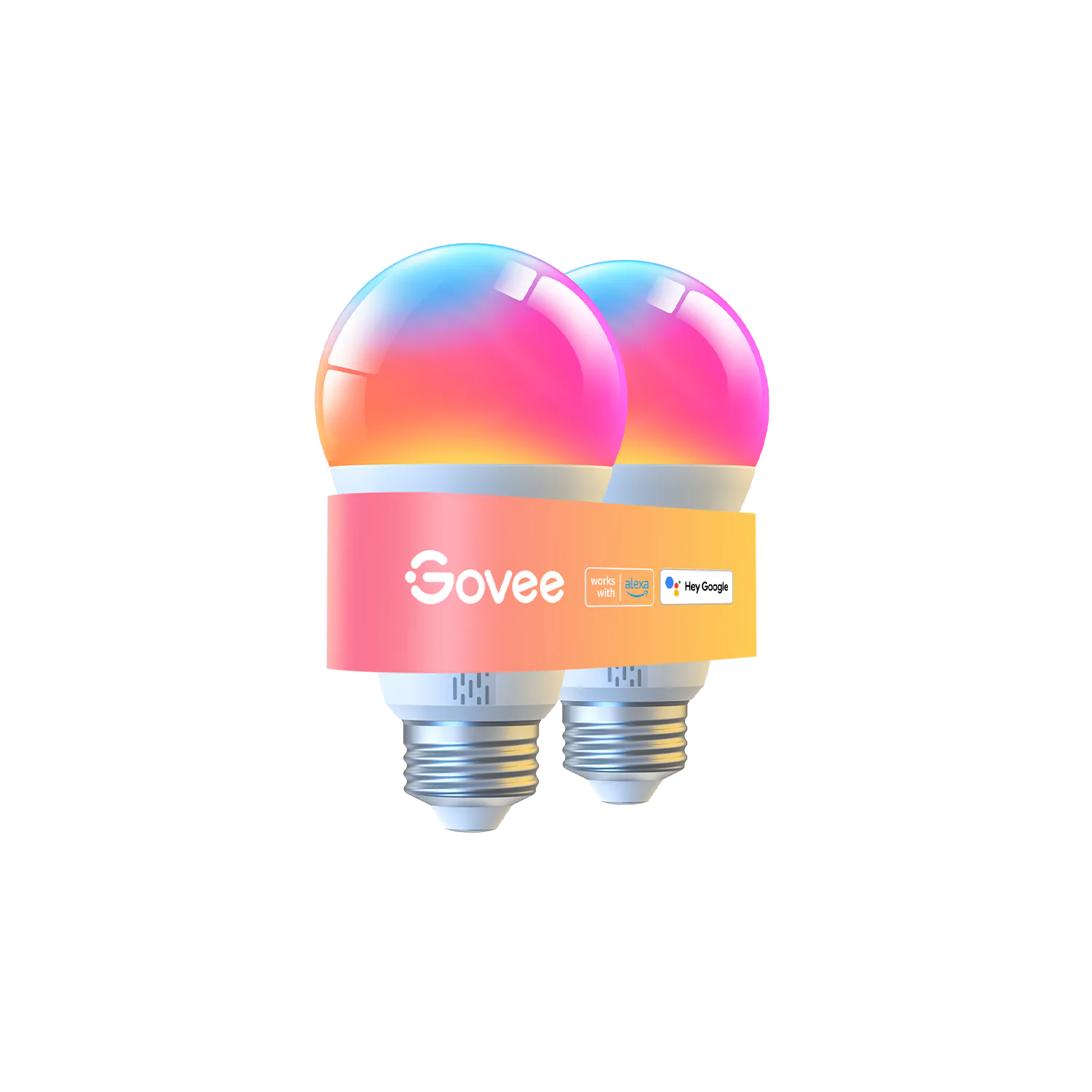
Govee H6006 is an appealing small upgrade when you already like your lamps. Two E26 bulbs can give a matching pair warm evening light, cooler white for working, and occasional color without replacing the fixtures. That is a more convincing use of a roughly $20 two-pack than buying another decorative lamp simply to join the Govee app.
The current US offer is specifically the Matter-compatible A19 pack. The H6006 model name alone is not enough when shopping older stock: earlier packaging also carries that name. Choose an offer that explicitly includes Matter and check that the delivered bulbs have their Matter codes before committing a room to them.
The four-pack is now the better deal
Govee's US store now sells the Matter two-pack for about $20 and the four-pack for about $34, both marked down from list prices of about $26 and $50, with free shipping shown. That works out to under $9 a bulb in the four-pack against $10 in the two-pack. At list prices the gap narrows to about 50 cents a bulb, but the four-pack still comes out ahead. Govee discounts each pack separately, so check that the four-pack still undercuts two two-packs before buying.
The saving only counts if four lamps need a bulb. H6006 makes most sense in lamps you actually use together, such as a matching pair beside a bed or sofa. Buying four because there are four sockets somewhere in the house is less persuasive. Start with the room where scheduling or dimming will make a daily difference; filling a cupboard with spare smart bulbs does not improve the lighting.
Good everyday white matters more than 54 scenes
Govee specifies 1,000 lumens and a 2,700–6,500K white range from a 9W bulb. Those figures make H6006 a reasonable candidate for an ordinary table or floor lamp, although the shade and room still determine how useful the light will be. The lumen rating describes white light, so it says little about how well saturated blue or red will light a room.
Govee's 54 scenes, music response and group controls add appeal if the room already uses Govee lighting. An occasional colored evening scene can be enjoyable; it does not need to become the room's default. A shaded bulb mainly lights the space around it, so the practical benefit is a change of mood in the room.
If you mainly want steady white light, scene count is a weak reason to choose one bulb over another. The price for the number of bulbs you need, and whether the controls fit how the household already uses its lamps, deserve more weight.
The wall switch still decides whether it is reachable
H6006 dims through its app and smart home controls, and Govee explicitly excludes ordinary wall dimmers. A lamp habitually switched off at its socket also cannot respond to an app or evening routine until power returns. That can make a technically smart bulb inconvenient for someone who expects the familiar switch to keep doing everything.
Matter gives the current pack ordinary light control through a compatible ecosystem over 2.4 GHz Wi-Fi. Govee's elaborate effects remain a reason to use Govee Home; buying a Matter bulb does not move its entire scene library into Apple Home or another dashboard.
Choose the pack for a real room
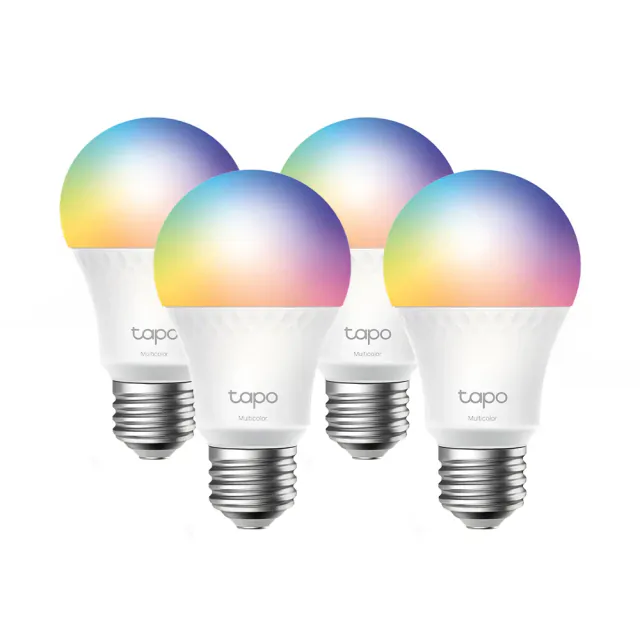
For a single socket, Tapo L535E is worth comparing. One Tapo bulb lists at about $18 and has recently sold for about $13, but Tapo charges about $6 for delivery below $49 while Govee ships free, so one delivered Tapo bulb costs about as much as a Govee two-pack. Its rated 1,100 lumens and warmer 2,500K endpoint offer a slightly different balance; that is not evidence of a dramatic brightness or quality advantage.
Choose Govee when two matching lamps and its scene system are the point. Choose a single Tapo when one lamp needs a bulb and its brighter rating or warmer white end matters more than a spare. Keep existing smart bulbs if they already provide the white light, color and routines you use. H6006 is good value when it adds something useful to a lamp you already use; the Matter label on the box is no reason to buy it on its own.
Keep reading

Spot a mistake or missing context?
Send a quick note so it can be checked against the source material.